Martins Says: When water has taste, you can pair water like wine.
It’s fascinating how much influence water has on food and other beverages—almost as much as wine. Light white wines are great for light flavors, like salad, sushi, etc. The comparable water would be low TDS waters with no carbonation. Carbonation always adds an acidic note on your palate, and you don’t want to have that when eating salad with vinaigrettes or eating the light flavors of sushi.
Medium TDS waters with a bit of carbonation are great for roasted chicken and for your barbeque party. Water with high TDS and lots of sparkling can be a beautiful counterpart to the fattiness and richness of barbeque.
Drinking wine? A good water should not neutralize your palate. A good water will help your wine be more balanced on your palate. A water with low minerals and no carbonation is great for tannin rich red wines or acidic white wines, like a Sauvignon Blanc. The low minerality and the smoothness of your water will balance the tannins and the acidic notes of wine, bringing more fruit complexity forward.
Martin Says: The eight glasses of water per day rule is a myth.
We all have different needs and lifestyles, and obviously, it’s very important to stay hydrated during your busy day. Your body needs water. We are made up to 60 percent water, but water is hidden in many other beverages and even food. Your body needs liquid, but it does not need to be just the glass of water. You can even eat water: watermelon contains up to 92 percent water; lettuce contains up to 96 percent water; celery contains up to 95 percent water; yogurt up to 81 percent water. Yes, even your cup of coffee in the morning contains a lot of water, up to 98 percent
Despite the common misconception, your cup of coffee or tea is not dehydrating when consumed in moderation.
Martins Says: Don’t be overwhelmed at the water aisle.
There are so many different brands these days offered in your favorite water aisle, and I totally understand how overwhelming it can be to find the right water for you. First of all, there is no best water! We all have different needs and preferences. As a water sommelier, I look first at the label. I don’t really care about the brand; I am interested in the source. This is because I am amazed about the different taste profiles from nature, I would only buy water that comes from natural occurring sources, such as spring, iceberg, glacier, and mineral water. I don’t care for purified water or distilled or vapor distilled waters. Not that the waters have a bad quality, but I am not interested in drinking highly processed tap water where the taste profile is created in a lab. Pretty much around 60 percent of the bottled water offered in the U.S. is just that.
On a side note: When you like to drink water just for hydration, please don’t buy bottled water in general. Drink your filtered tap at home.
Martin Says: Drink Water at room temperature. No ice cubes!
When I drink a new water for the first time, I really want to discover the taste profile of the water. When I chill the water in a refrigerator, I would not be able to really taste the water when drinking it. Very cold water numbs my palate and makes it very hard to really discover the taste. Ice cubes in water? I know, many love their ice cubes, but ice cubes are made with tap water. Tap water has a different mineral composition and might contain chlorine. When adding an ice cube, you actually water down your water with water.
It’s fun to discover new waters. Buy yourself different ones and drink them side by side at room temperature. You will be amazed at how different water can taste.
Martin Says: You can drink too much water!
Also known as water poisoning, water intoxication is caused by drinking too much water. Doing so increases the amount of water in the blood which can dilute the electrolytes, especially sodium, in the blood. Sodium helps maintain the balance of fluids inside and outside cells. When sodium levels drop due to excessive water consumption, fluids travel from the outside to the inside of cells, causing them to swell. When this happens to brain cells, it can be dangerous and even life threatening.
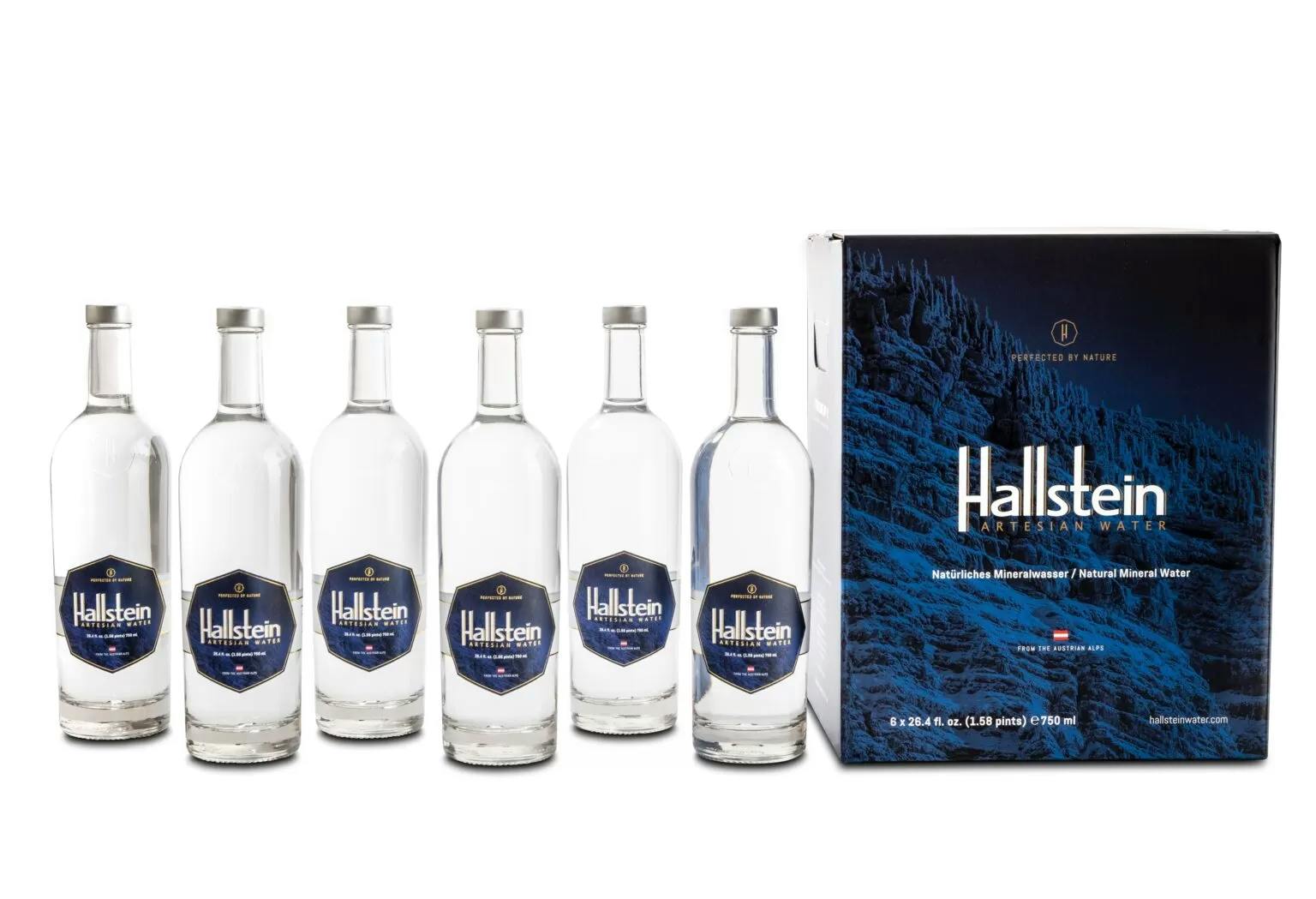
One to Try: Hallstein From Austria